

Snapshot of Chagas disease
Understanding Chagas Disease
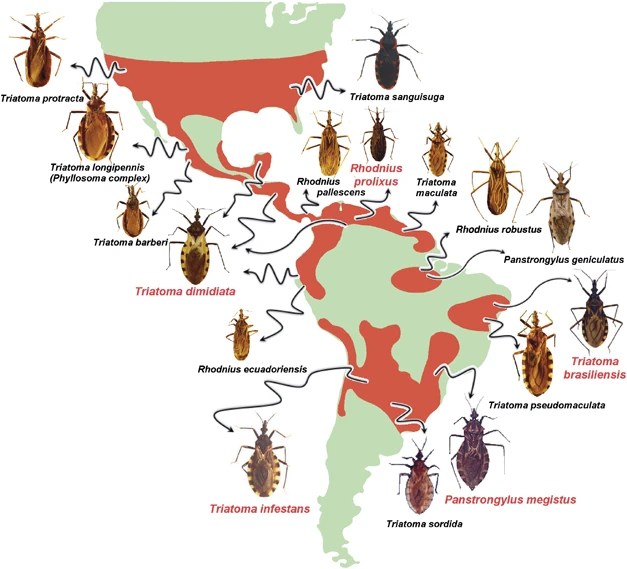
Chagas disease, caused by the parasite Trypanosoma cruzi, is a neglected tropical disease primarily found in Latin America. However, cases of Chagas disease have been reported in the United States, particularly in regions where triatomine bugs, the vectors of the disease, are present. While Chagas disease in the U.S. is considered rare, it is an emerging concern due to increased travel and immigration from endemic areas. The disease has two phases: acute and chronic. Acute infection may cause mild symptoms, such as fever and swelling at the site of infection, while chronic infection can lead to serious cardiac and gastrointestinal complications if left untreated.

Transmission of Chagas Disease
In the United States, Chagas disease is primarily transmitted through contact with infected triatomine bugs, also known as “kissing bugs.” These bugs typically feed on blood during the night and may defecate near the bite wound, introducing the parasite into the host’s bloodstream. In addition to vector transmission, Chagas disease can also be transmitted through blood transfusions, organ transplantation, congenital transmission from mother to child, and consumption of food or drink contaminated with the parasite. Preventive measures such as insecticide spraying, housing improvements, and blood donor screening are important strategies to reduce transmission in endemic areas.
Diagnosing Chagas Disease
Diagnosis of Chagas disease in the United States relies on laboratory testing to detect the presence of the parasite or antibodies against Trypanosoma cruzi in blood samples. Serological tests, including enzyme-linked immunosorbent assay (ELISA) and indirect fluorescent antibody (IFA) tests, are commonly used for screening. Polymerase chain reaction (PCR) tests can also be used to directly detect the parasite’s genetic material. However, diagnosing Chagas disease can be challenging due to the lack of awareness among healthcare providers and limited access to diagnostic testing, particularly in non-endemic areas.
Treating Chagas Disease
Treatment of Chagas disease in the United States typically involves antiparasitic medications such as benznidazole and nifurtimox. These medications are most effective when administered during the acute phase or early chronic phase of infection. However, treatment options may be limited due to the lack of availability of these medications and challenges in accessing healthcare for affected individuals, especially in non-endemic areas. Management of chronic complications, such as cardiac and gastrointestinal manifestations, may require specialized care from healthcare providers familiar with Chagas disease.
Prevention
Prevention of Chagas disease in the United States focuses on reducing exposure to triatomine bugs and preventing transmission through blood transfusions and organ transplantation. Vector control measures, including insecticide spraying, housing improvements, and public education about the risks of Chagas disease, are essential for reducing the spread of the disease in endemic areas. Additionally, screening blood donors for Trypanosoma cruzi infection and implementing safe blood transfusion practices are crucial for preventing transmission through blood transfusions. Public health efforts to raise awareness about Chagas disease and improve access to diagnostic and treatment services are essential for addressing the emerging threat of Chagas disease in the United States.
 Chagas Center of Excellence